


Introduction
Legionnaires Disease in Greece a severe form of pneumonia caused by Legionella bacteria has emerged as a growing concern in Greece, particularly affecting water systems in accommodation sites, public buildings, and community water distribution systems. Though often under-recognized, recent events and surveillance efforts reveal why travelers and residents alike need heightened awareness and robust prevention measures.
What Is Legionnaires’ Disease?
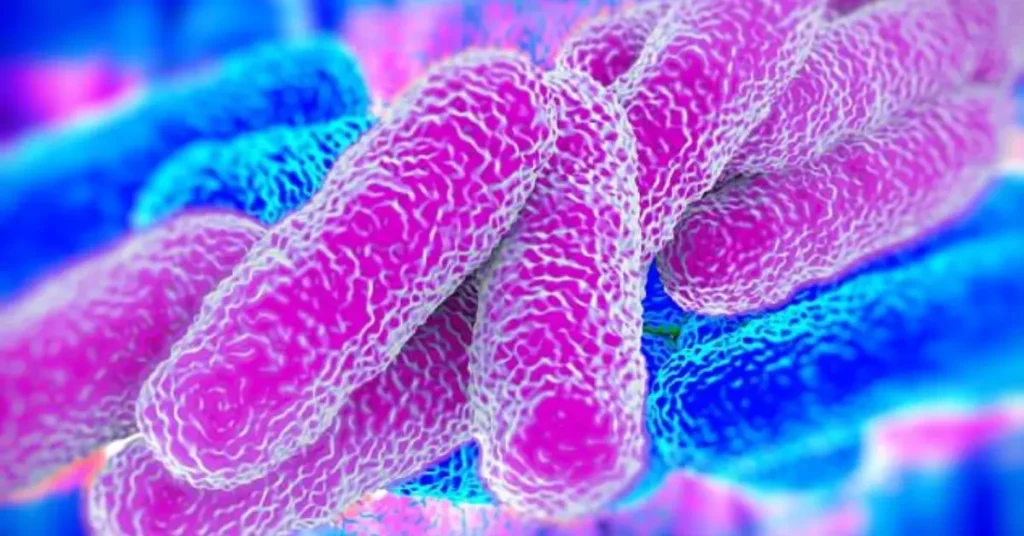
Legionnaires’ disease is a respiratory infection caused predominantly by Legionella pneumophila, a bacterium that thrives in freshwater environments and man-made water systems such as hot-water tanks, cooling towers, showers, and air-conditioning systems. When people inhale contaminated aerosolized water droplets, the bacteria can infect the lungs, leading to severe pneumonia, high fever, cough, breathlessness, and chest pain. Without prompt treatment, the illness can be life-threatening, especially among older adults and those with compromised immune systems.
Recent Incidents in Greece: Crete and Travel-Associated Cases
In the summer of 2025, Greek health authorities and international surveillance networks were alerted to several travel-associated cases of Legionnaires’ disease linked to accommodation water systems on the island of Crete. A British tourist was hospitalized in Heraklion with severe respiratory symptoms attributed to Legionnaires’ disease after staying at an all-inclusive hotel.
This incident triggered emergency communications from European public-health bodies and issued travel alerts urging hotels and accommodation providers across the island to rigorously test water systems, maintain disinfection protocols, and monitor Legionella contamination regularly.
May be you like it:
Warmer Hand Warmers for Winter Comfort & Outdoor Use
Legionnaires Disease in Greece: Causes, Risks & Safety Tips
Extra Bank Holidays 2025 – Full List, Dates & Updates
Surveillance and Trends in Greece
According to the most recent annual reports from the Greek National Public Health Organization (EODY):
- In 2024, there were 189 reported cases of Legionnaires’ disease in Greece, including community and travel-associated infections.
- The disease is more common among older adults (especially men aged 65 and older), reflecting similar patterns seen across Europe.
- Surveillance through the European Legionnaires’ Disease Surveillance Network (ELDSNet) has helped identify cases linked to travel in Greece, emphasizing the need for international cooperation and prompt reporting.
These figures suggest a rising recognition and reporting of Legionnaires’ disease in Greece, partly due to improvements in diagnostic capacity and heightened awareness among clinicians and public-health authorities.
Why Greece Is Vulnerable
Several factors contribute to the presence and risk of Legionella in Greece:
- Warm Mediterranean climates, which can create favourable conditions (20–45 °C) for Legionella growth in water systems.
- High tourism volumes, with millions of visitors staying in hotels, resorts, and cruise-linked facilities where water systems of varying maintenance quality exist.
- Occasional lapses in water system maintenance, including insufficient temperature control, stagnant water in storage tanks, and irregular disinfection practices.
Environmental studies in Greece also show that Legionella bacteria are present in a notable percentage of water distribution systems, underscoring the importance of ongoing monitoring and risk assessments.

Prevention: What Authorities and Hotels Are Doing
In response to these risks, Greek public health and tourism authorities have taken decisive action:
- Directives for regular Legionella testing and mandatory bi-annual water system inspections in hotels and public buildings.
- Guidelines for water system management, including maintaining hot-water temperatures above levels that inhibit bacterial growth and ensuring cold water stays cool.
- Enhanced communication with international travel and health agencies to share alerts and expedite outbreak investigations.
Experts strongly encourage hotel managers and building owners to conduct thorough risk assessments, implement continuous system maintenance, and promptly address Legionella contamination to safeguard public health.
What Travellers and Residents Should Know
Whether you are visiting Greece for leisure or living there:
Recognize symptoms:
Legionnaires’ disease often resembles severe pneumonia — fever, cough, difficulty breathing — and can appear 2–14 days after exposure.
Protect yourself:
In hotels, let water run before use, avoid inhaling mist from decorative fountains, and be alert if water systems look poorly maintained.
Seek medical care promptly:
Early diagnosis and antibiotic treatment significantly improve outcomes.
May be you like it:
Warmer Hand Warmers for Winter Comfort & Outdoor Use
Legionnaires Disease in Greece: Causes, Risks & Safety Tips
Extra Bank Holidays 2025 – Full List, Dates & Updates
FAQs on Legionnaires Disease in Greece
What is Legionnaires’ disease?
Is Legionnaires’ disease common in Greece?
How do people get Legionnaires’ disease in Greece?
Showers and taps
Hotel water systems
Air-conditioning cooling towers
Hot tubs and spas
It is not spread from person to person.
Why are some cases linked to hotels in Greece?
What are the symptoms of Legionnaires’ disease?
High fever
Cough
Shortness of breath
Chest pain
Muscle aches
Headache and fatigue
In severe cases, hospitalization may be required.
Who is most at risk in Greece?
Higher-risk groups include:
Adults aged 50 and over
Smokers
People with chronic lung disease
Individuals with weakened immune systems
Healthy people can be infected, but severe illness is less common.
Is it safe to travel to Greece?
How can travelers protect themselves?
Letting hotel showers and taps run before use
Avoiding inhaling steam from poorly maintained hot tubs
Reporting any water quality concerns to hotel staff
Seeking medical care if symptoms appear after travel
How is Legionnaires’ disease treated?
What should I do if I feel sick after visiting Greece?
Final Thought
Legionnaires’ disease in Greece is an under-appreciated but serious public health issue. With rising travel-associated cases and ongoing environmental presence of Legionella, vigilance, education, and proactive water system management are essential to protect both visitors and local communities. The efforts of health authorities, hoteliers, and individual responsibility together make Greek destinations safer for everyone.
May be you like it:
Safety Pin Pin Guide: Uses, Types, History & Safety Tips