
Introduction
The Red Card Card is one of the most powerful and game-changing elements in football. In a sport where momentum can shift in seconds, the appearance of a red card card instantly alters the flow, strategy, and emotional intensity of a match. For players, it represents the ultimate punishment; for fans, it often becomes the most talked-about moment of the game.
Understanding the red card card is essential for anyone who wants to truly grasp how football is played and officiated. From controversial referee decisions to dramatic match turnarounds, the red card card plays a crucial role in maintaining discipline, fairness, and player safety on the pitch. This guide explores what the red card card means, why it exists, and how it continues to shape modern football.
What Is Red Card Card in Football?
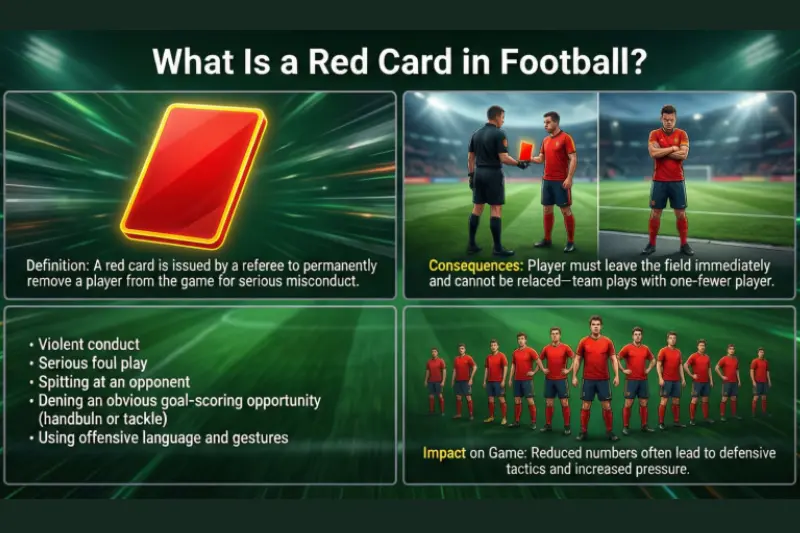
A red card card in football is an official signal given by the referee to immediately dismiss a player from the match due to a serious violation of the game’s rules. When a player receives a red card card, they must leave the field at once and are not allowed to return or be substituted, forcing their team to continue with fewer players.
The red card card is used for offenses that threaten player safety, fair play, or the spirit of the game. Unlike minor fouls that result in free kicks or yellow cards, a red card card is reserved for extreme actions such as violent conduct, serious foul play, or denying a clear goal-scoring opportunity. Its purpose is to maintain control of the match and ensure football remains a safe and fair competition for everyone involved.
In modern football, the red card card is also closely monitored with the help of technology like VAR, making its decisions more accurate and impactful than ever before.
May be you like it:
Warmer Hand Warmers for Winter Comfort & Outdoor Use
Legionnaires Disease in Greece: Causes, Risks & Safety Tips
Extra Bank Holidays 2025 – Full List, Dates & Updates
History and Origin of the Red Card Card
The red card card was introduced to make football rules clearer and more universally understood. Before its introduction, referees relied mainly on verbal warnings, which often caused confusion-especially in international matches where language barriers existed.
The idea of the red card card was officially adopted after the 1970 FIFA World Cup. Inspired by traffic light signals, the red color was chosen to clearly communicate “stop” and removal from the game. This simple visual system allowed players, officials, and fans to instantly understand a referee’s decision, regardless of language or location.
Since then, the red card card has become a permanent and essential part of football. Over the decades, its role has expanded alongside stricter laws, improved referee training, and the introduction of technology, ensuring that the red card card continues to support fairness, discipline, and safety in modern football.
Rules and Laws Governing Red Card Card
The red card card is governed by the official Laws of the Game set by football’s regulatory bodies. A referee is authorized to issue a red card card when a player commits a serious offense that goes beyond normal fouls or unsporting behavior.
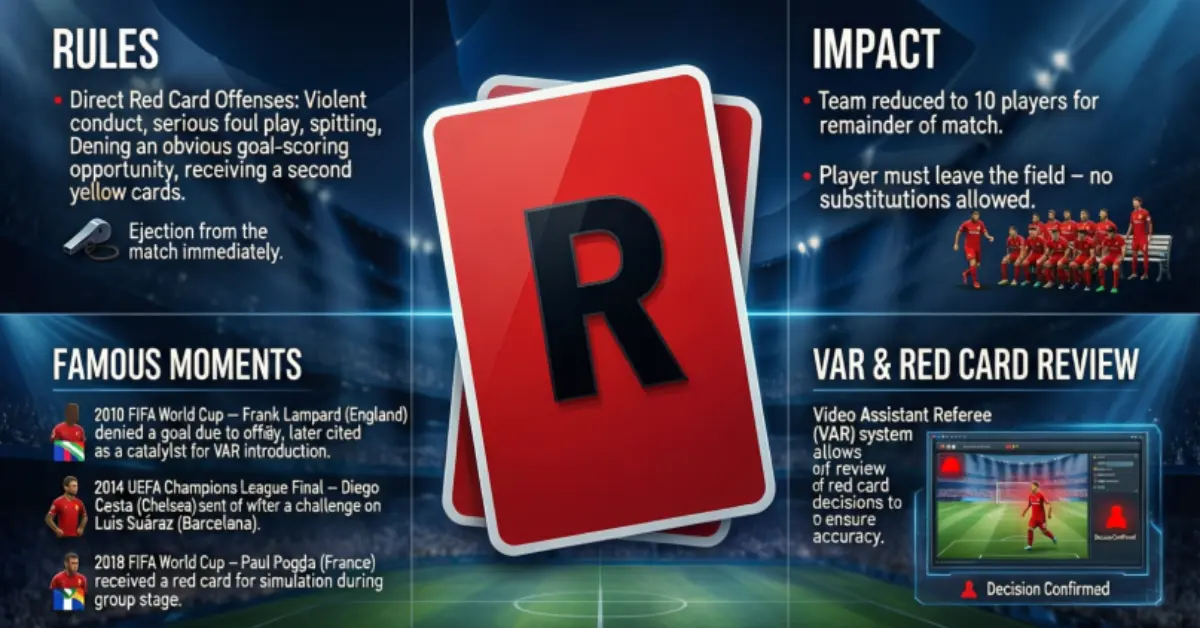
According to the rules, a red card card can be shown for actions such as serious foul play, violent conduct, spitting at an opponent, using offensive or abusive language, or deliberately stopping a clear goal-scoring opportunity. These laws are designed to protect players and ensure the match is played in a fair and respectful manner.
Referees are trained to evaluate intent, force, and impact before showing a red card card. In modern football, VAR support may also be used to review incidents, helping officials make accurate decisions while maintaining the authority of the red card card on the field.
Common Fouls That Result in a Red Card Card
A red card card is usually shown for the most serious infractions on the football field. Understanding these common fouls helps fans, players, and analysts recognize when a red card card is likely to be issued:
- Serious Foul Play – Tackles or challenges that endanger the safety of an opponent.
- Violent Conduct – Actions like punching, elbowing, or aggressive physical attacks.
- Denying a Clear Goal-Scoring Opportunity – Using handball or fouls to stop a likely goal.
- Spitting at Someone – Considered highly unsporting and automatically punished.
- Offensive, Insulting, or Abusive Language – Includes gestures or words toward players, referees, or fans.
- Two Yellow Cards in a Single Match – Accumulation leads to an automatic red card card.
These fouls are not just rule violations-they directly affect the flow and outcome of the game. A single red card card can shift momentum, force tactical changes, and leave a team struggling to compete with fewer players on the pitch.
Difference Between Yellow Card and Red Card Card
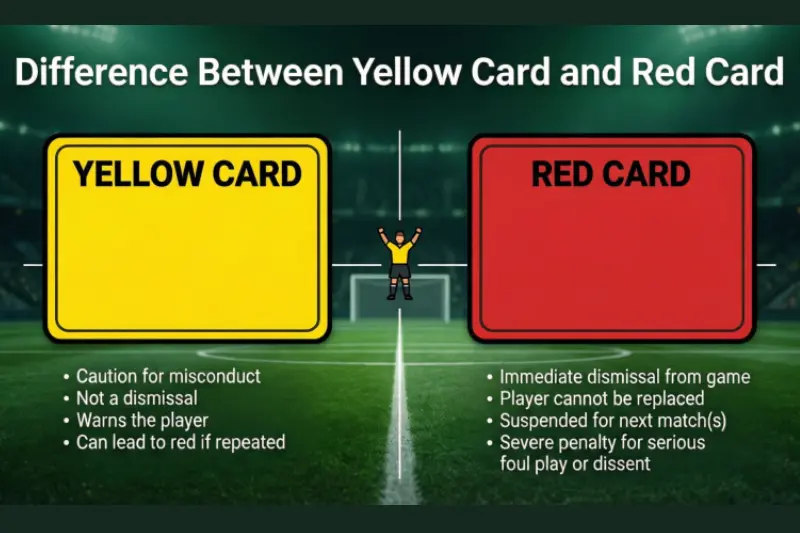
While both yellow and red cards are tools for maintaining discipline in football, the red card card carries the most severe consequences. A yellow card serves as a warning for minor or cautionable offenses, signaling to the player that their behavior must improve.
On the other hand, a red card card results in immediate dismissal from the match, leaving the player’s team with one less player on the field. It is usually issued for serious fouls, violent conduct, or repeated offenses, such as receiving two yellow cards in the same match.
Understanding the difference between a yellow card and a red card card is crucial for fans and players alike. It highlights how referees balance punishment and warnings, ensuring that the game remains fair while discouraging dangerous or unsporting behavior.
Impact of Red Card Card on Team Strategy
A red card card doesn’t just affect the player who is sent off-it dramatically changes the strategy for the entire team. When a player receives a red card card, their team is forced to play with one less player, which impacts both offense and defense.
Teams often adjust by:
- Defending deeper to protect their goal
- Reducing attacking plays to maintain balance
- Shifting formations to cover gaps left by the dismissed player
- Relying on counterattacks instead of dominating possession
The psychological effect of a red card card is also significant. Players may feel increased pressure, opponents gain confidence, and referees may monitor the game more strictly. This is why a single red card card can turn the tide of a match, sometimes determining the final outcome.
Role of VAR in Red Card Card Decisions
In modern football, the red card card is closely monitored with VAR (Video Assistant Referee) technology to ensure fair and accurate decisions. VAR allows referees to review incidents in real time, especially when the on-field decision is unclear or controversial.
The red card card can be confirmed, overturned, or even issued after a review if the footage shows serious foul play, violent conduct, or a handball that denies a clear goal-scoring opportunity. VAR helps reduce human error while maintaining the authority of the referee, ensuring that the red card card is used appropriately and consistently across matches.
Thanks to VAR, fans, players, and analysts can trust that the red card card reflects both the severity of the offense and the fairness of the game.
Famous Matches Influenced by a Red Card Card
Throughout football history, a red card card has often changed the outcome of critical matches. From World Cup finals to domestic league clashes, a single red card card can shift momentum, force tactical adjustments, and even decide championships.
For example, in high-stakes games, a red card card can leave a team vulnerable, turning underdogs into favorites or favorites into struggling sides. Fans remember these moments for years because the red card card not only affects the scoreline but also the emotions, strategies, and pressure on every player on the pitch.
Understanding famous instances of the red card card gives football enthusiasts insight into how discipline, refereeing decisions, and player conduct shape the sport’s history.
Red Card Card Suspensions and Disciplinary Actions
When a player receives a red card card, the consequences extend beyond the immediate match. Most football leagues and tournaments enforce automatic suspensions, meaning the player must sit out the next game-or multiple games-depending on the severity of the offense.
Disciplinary actions can include:
- One or more match suspensions
- Fines or monetary penalties
- Additional review for violent or extreme conduct
These measures reinforce the importance of discipline in football. A red card card not only punishes the player during the match but also ensures accountability off the field, maintaining fairness and safety in the sport.
Can a Red Card Card Decision Be Appealed?
Yes, a red card card decision can sometimes be challenged through an official appeal process. Teams or players may appeal if they believe the red card card was wrongly given, such as in cases of referee error, mistaken identity, or clear evidence from video footage.
However, appeals are not always successful. Governing bodies carefully review the incident, including match reports, referee explanations, and video evidence, before deciding whether to overturn or uphold the red card card.
Appealing a red card card ensures fairness and gives players a chance to contest decisions that could unfairly impact their team or season, while still respecting the referee’s authority on the field.
Psychological Effects of a Red Card Card on Players
Receiving a red card card can have a significant psychological impact on a player. Beyond the immediate dismissal, the player may experience:
- Frustration and guilt for leaving their team at a disadvantage
- Increased pressure in future matches to avoid further disciplinary action
- Loss of confidence due to public criticism or media attention
The effects of a red card card are not limited to the dismissed player. Teammates may feel stress or anxiety adjusting to playing with fewer players, while opponents may gain confidence and momentum.
Red Card Card Statistics and Trends in Modern Football
The red card card is not just a dramatic moment in football-it’s also a measurable part of the game. Statistics show how often players are sent off, which positions are most affected, and how red card card incidents influence match outcomes.
Recent trends in modern football indicate:
- Midfielders and defenders receive more red card cards due to tackles and challenges.
- High-stakes matches, such as finals, tend to have fewer red card cards as players are more cautious.
- VAR technology has led to a more accurate and sometimes increased issuance of red card cards, especially for violent conduct or handball offenses.
Analyzing these statistics helps fans, coaches, and analysts understand the evolving role of the red card card in football and how discipline, refereeing, and technology shape the modern game.
Referee Perspective on Issuing a Red Card Card
From a referee’s point of view, issuing a red card card is one of the most important-and sometimes most difficult-decisions in a football match. Referees must evaluate the severity, intent, and impact of a player’s actions in real time.
Key considerations for a red card card include:
- Player safety: Protecting individuals from dangerous tackles or violent conduct.
- Fair play: Ensuring no player gains an unfair advantage by breaking the rules.
- Game control: Maintaining order and authority throughout the match.
Referees are trained to remain calm and objective when showing a red card card, understanding that it can change the course of a game. Modern tools like VAR also support referees, giving them additional confidence in making fair and accurate red card card decisions.
May be you like it:
Warmer Hand Warmers for Winter Comfort & Outdoor Use
Legionnaires Disease in Greece: Causes, Risks & Safety Tips
Extra Bank Holidays 2025 – Full List, Dates & Updates
FAQs
What is a red card card in football?
Why do players get a red card card?
Can a red card card be appealed?
How does a red card card affect the team?
What’s the difference between a yellow card and red card card?
Does VAR influence red card card decisions?
What fouls usually lead to a red card card?
How long is the suspension for a red card card?
Can red card card statistics show trends in football?
Why is the red card card important in football?
Final Thoughts on the Importance of Red Card Card
The red card card remains one of football’s most powerful tools for enforcing discipline, fairness, and player safety. It is not just a punishment-it is a symbol of the rules, integrity, and spirit of the game.
Whether it’s influencing team strategy, changing the momentum of a match, or affecting the psychology of players, the red card card leaves a lasting impact on football at every level. With modern tools like VAR, its role has become even more precise and crucial, ensuring that football remains competitive, safe, and fair for everyone involved.
For fans, understanding the red card card adds depth to watching matches, providing insight into how decisions are made and how they shape the beautiful game we all love.
May be you like it:
Safety Pin Pin Guide: Uses, Types, History & Safety Tips