


This step-by-step guide will help you understand everything in simple, practical terms.
Introduction
The world is rapidly becoming smarter, with billions of devices connected through the Internet of Things (IoT). But here’s the real question can we truly trust these devices with our data? That’s where blockchain IoT comes into play. By combining the decentralized power of blockchain with IoT’s connectivity, a new era of secure, transparent, and intelligent systems is emerging.
What is Blockchain IoT?
Blockchain IoT is the integration of blockchain technology with the Internet of Things (IoT) to create a secure, decentralized ecosystem where devices can communicate safely without relying on a central authority. Instead of trusting a single server, devices rely on a distributed ledger that records every interaction transparently and permanently.
Think of it like a digital notebook that everyone can see, but no one can alter. Every IoT device—whether it’s a smart fridge or an industrial sensor,logs its activity into this notebook. Once recorded, the data cannot be changed, making it extremely secure and reliable.
Understanding Blockchain Technology
Blockchain is essentially a chain of blocks where each block contains data. What makes it unique is its decentralized nature. Instead of storing data in a single place, it distributes it across multiple nodes. This means no single point of failure exists, making it highly resistant to cyberattacks.
Each transaction is verified using cryptographic methods, ensuring that only legitimate data gets recorded. This is why blockchain is widely used in cryptocurrencies—but its use goes far beyond that, especially in IoT environments where data integrity is crucial.
May be you like it:
Warmer Hand Warmers for Winter Comfort & Outdoor Use
Legionnaires Disease in Greece: Causes, Risks & Safety Tips
Extra Bank Holidays 2025 – Full List, Dates & Updates
What is IoT (Internet of Things)?
IoT refers to a network of connected devices that collect and exchange data. These devices range from smartphones and wearable fitness trackers to industrial machines and smart city infrastructure.
The problem? IoT devices generate massive amounts of data, and most of it is stored centrally. This creates vulnerabilities. Hackers often target centralized systems because once breached, they gain access to everything.
How Blockchain and IoT Work Together
When blockchain is integrated with IoT, each device becomes part of a decentralized network. Data is recorded securely, verified through consensus, and shared transparently.
For example, in a supply chain, sensors can track a product’s journey from factory to customer. Blockchain ensures that this data cannot be tampered with, creating trust between all parties involved. This combination eliminates fraud, enhances efficiency, and improves decision-making across industries.
Why Blockchain IoT is Important
The importance of blockchain IoT cannot be overstated, especially in today’s digital landscape, where security breaches are becoming more frequent.
Rising Security Concerns in IoT
IoT devices are often considered weak points in cybersecurity. Many devices lack strong encryption, making them easy targets for hackers. In fact, the rise in IoT-based cyberattacks has significantly increased demand for secure solutions like blockchain.
Blockchain addresses this issue by ensuring that data cannot be altered once recorded. Even if a hacker gains access to one device, they cannot manipulate the entire network.
Need for Data Transparency
Transparency is crucial in industries like healthcare and logistics. Blockchain provides a clear and traceable record of all transactions. This helps organizations maintain accountability and build trust with customers.
Imagine tracking the origin of food products or verifying the authenticity of medicines—blockchain IoT makes this possible.
Eliminating Centralized Control
Traditional systems rely on central authorities, which can become bottlenecks or points of failure. Blockchain removes this dependency, allowing devices to communicate directly with each other.
This decentralization not only improves efficiency but also reduces costs associated with maintaining centralized infrastructure.
Key Features of Blockchain IoT
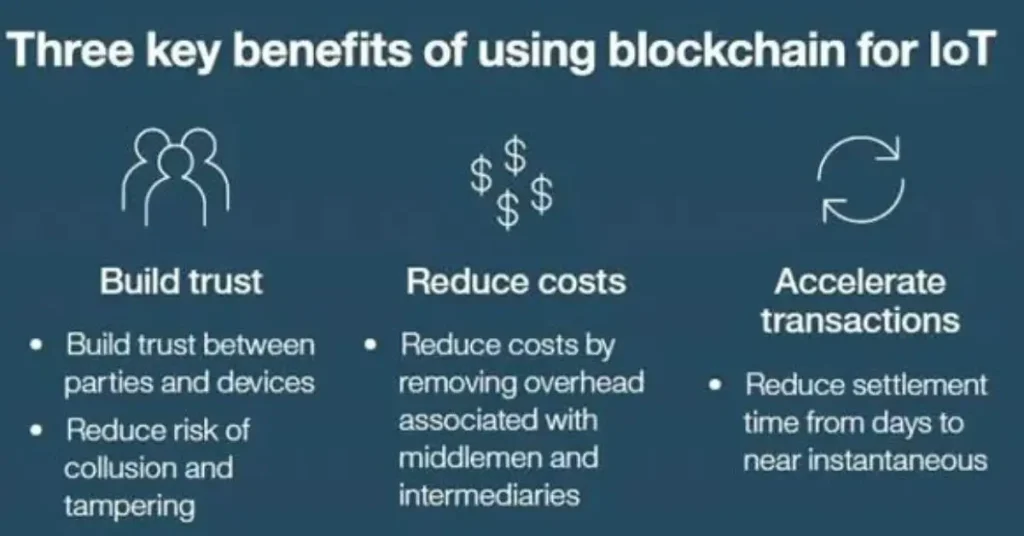
Blockchain IoT stands out because of its unique features that address many limitations of traditional systems.
Decentralization
Unlike centralized systems, blockchain operates on a peer-to-peer network. This means no single entity controls the data. Each participant has equal authority, making the system more democratic and secure.
Immutability
Once data is recorded on the blockchain, it cannot be changed or deleted. This ensures data integrity and prevents fraud.
Smart Contracts
Smart contracts are self-executing agreements coded into the blockchain. They automatically execute actions when certain conditions are met.
For instance, in a logistics system, a payment can be released automatically once goods are delivered. This eliminates the need for intermediaries and speeds up processes significantly.
Real-World Applications of Blockchain IoT

Blockchain IoT is not just theoretical—it’s already being used across multiple industries.
Smart Cities
Smart cities rely on connected devices to manage traffic, energy, and public services. Blockchain ensures that data from these devices is secure and reliable.
For example, traffic sensors can share real-time data to optimize traffic flow. Blockchain ensures that this data remains accurate and tamper-proof.
Healthcare Systems
In healthcare, patient data must be secure and accessible only to authorized personnel. Blockchain IoT allows medical devices to share data securely while maintaining patient privacy.
This can improve diagnosis, reduce errors, and enhance overall healthcare efficiency.
Supply Chain Management
Supply chains benefit immensely from blockchain IoT. It enables real-time tracking of goods, ensuring transparency and reducing fraud.
In fact, asset tracking alone accounted for over 30% of the blockchain IoT market share in 2025, highlighting its importance.
Agriculture
Farmers can use IoT sensors to monitor soil conditions, weather, and crop health. Blockchain ensures that this data is accurate and can be shared securely with stakeholders.
This leads to better decision-making and increased productivity.
May be you like it:
Wimbling Ton – History, Matches & Tennis Championship Guide
Bird Table Guide: How to Choose, Place & Care for One
Table Ping Pong Table Guide: Best Types, Sizes & Buying Tips
Benefits of Blockchain IoT
Enhanced Security
Security is the biggest advantage of blockchain IoT. By decentralizing data and using cryptographic methods, it becomes extremely difficult for hackers to manipulate the system.
Improved Efficiency
Automation through smart contracts reduces manual processes, saving time and resources.
Cost Reduction
By eliminating intermediaries and reducing the need for centralized systems, businesses can significantly cut costs.
Challenges of Blockchain IoT
Despite its benefits, blockchain IoT is not without challenges.
Scalability Issues
Handling large volumes of data from IoT devices can be challenging. Blockchain networks may struggle with speed and scalability.
Integration Complexity
Integrating blockchain with existing IoT systems requires technical expertise and significant investment.
Regulatory Concerns
Different countries have varying regulations regarding blockchain technology, which can slow down adoption.
Future of Blockchain IoT
Market Growth Trends
The future of blockchain IoT looks incredibly promising. The market is expected to grow rapidly due to increasing demand for secure and transparent systems. Some reports even suggest exponential growth rates exceeding 45% CAGR in certain sectors.
Emerging Technologies
Technologies like AI, edge computing, and 5G are further enhancing blockchain IoT capabilities. Together, they are creating smarter, faster, and more efficient systems.
Frequently Asked Questions About Blockchain IoT
1. What is blockchain IoT in simple terms?
2. Why is blockchain important for IoT?
3. What industries use blockchain IoT?
4. Is blockchain IoT the future?
5. What are the main challenges of blockchain IoT?
Conclusion
Blockchain IoT is not just a technological trend it’s a revolution. By combining the strengths of blockchain and IoT, it addresses some of the most critical challenges in today’s digital world. From enhancing security to improving efficiency, its impact is being felt across industries.
As businesses continue to adopt this technology, we can expect a future where devices communicate seamlessly, data is secure, and trust is built into every system. The journey has just begun, and the possibilities are endless.
May be you like it:
Safety Pin Pin Guide: Uses, Types, History & Safety Tips