
This guide will show key benefits, real use cases, and ways to improve business performance.
What is Retail Blockchain?
Retail blockchain is changing how businesses operate by bringing transparency, security, and efficiency into everyday shopping experiences. It acts like a digital ledger that records transactions in a way that cannot be altered, making it highly trustworthy.
Understanding Blockchain in Simple Words
Imagine a digital notebook that everyone can see but no one can secretly edit—that’s blockchain. Every transaction gets recorded in a “block,” and these blocks are linked together, forming a chain. This system removes the need for middlemen and reduces errors or fraud.
Blockchain is already being used by over 283 million people worldwide, showing how quickly it’s becoming part of everyday life. This rapid adoption proves that the technology is no longer experimental; it’s practical and scalable.
How Blockchain Fits into Retail
In retail, blockchain works behind the scenes to track products, manage payments, and protect customer data. From the moment a product is manufactured to the time it reaches your hands, blockchain can record every step. This means customers can verify product authenticity and retailers can manage inventory more efficiently.
May be you like it:
Warmer Hand Warmers for Winter Comfort & Outdoor Use
Legionnaires Disease in Greece: Causes, Risks & Safety Tips
Extra Bank Holidays 2025 – Full List, Dates & Updates
Why Retail Needs Blockchain Technology
Retail is evolving fast, but traditional systems are struggling to keep up with modern demands like transparency and speed. Blockchain steps in as a powerful upgrade.
Problems in Traditional Retail Systems
Traditional retail systems rely heavily on centralized databases, which can be slow, vulnerable to hacking, and difficult to manage across global supply chains. Fraud, counterfeit products, and a lack of transparency are major issues that hurt both businesses and consumers.
Many retailers also face delays in payments, especially in international transactions. These inefficiencies cost businesses billions every year and reduce customer trust.
Blockchain as the Solution
Blockchain solves these problems by decentralizing data, making it secure and transparent. It eliminates unnecessary intermediaries, speeds up processes, and ensures that every transaction is verifiable.
In fact, around 41% of retailers report reduced fraud risks after adopting blockchain-based systems. This shows how impactful the technology can be when implemented correctly.
Key Benefits of Blockchain in Retail
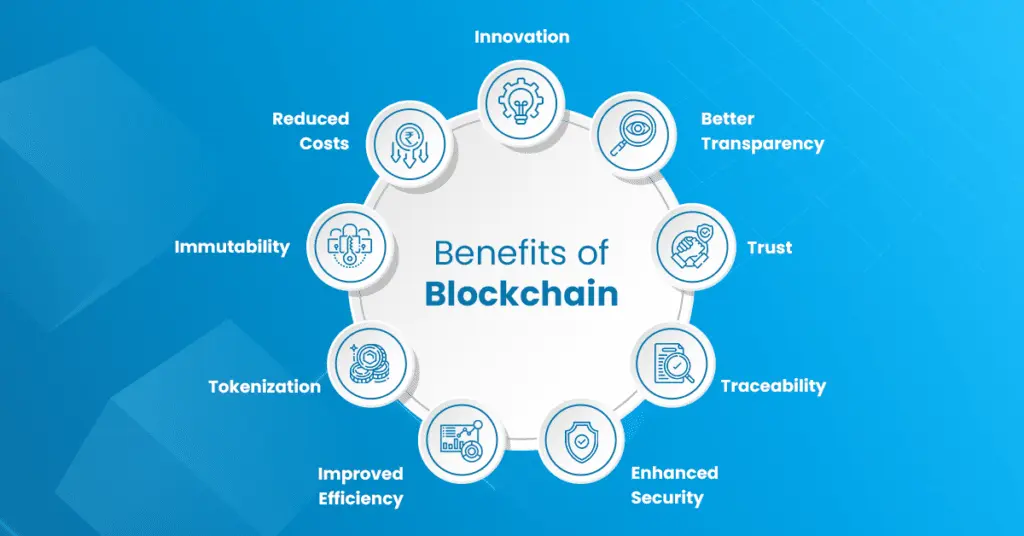
Blockchain isn’t just a buzzword it delivers real advantages that can transform retail operations.
Transparency and Trust
One of the biggest benefits of blockchain is transparency. Customers today want to know where their products come from, whether they’re ethically sourced, and if they’re genuine.
Blockchain allows retailers to provide this information instantly. This builds trust and strengthens brand loyalty, especially in industries like fashion, food, and electronics.
Enhanced Security
Security is another major advantage. Since blockchain data is encrypted and distributed, it’s extremely difficult for hackers to manipulate it.
This makes it ideal for protecting sensitive customer data and preventing fraud. Retailers can confidently store transaction records without worrying about data breaches.
Faster Payments
Blockchain enables near-instant payments, even across borders. This is a huge improvement over traditional banking systems that can take days to process transactions.
Around 52% of retail companies are already using blockchain for payments to improve security and speed. This trend is only expected to grow.
Real-World Use Cases of Retail Blockchain
Blockchain is already being used in practical ways that are transforming the retail industry.
Supply Chain Tracking
Retailers can track products from origin to store shelves. This helps in identifying issues quickly, such as contamination in food products or delays in shipping.
For example, blockchain can trace a product’s journey in seconds instead of days, improving efficiency and safety.
Anti-Counterfeit Solutions
Counterfeit products are a massive problem in retail. Blockchain helps verify authenticity by providing a digital certificate for each product.
Customers can scan a code and instantly confirm whether a product is genuine. This is especially valuable for luxury brands.
Loyalty Programs
Blockchain-based loyalty programs are becoming popular. Instead of traditional points, customers receive digital tokens that can be easily tracked and redeemed.
About 43% of retailers are exploring tokenized loyalty systems, showing a shift toward more engaging customer experiences.
Blockchain in Retail Payments
Payments are one of the most exciting areas where blockchain is making a huge impact.
Crypto and Stablecoins in Retail
Retailers are exploring cryptocurrencies and stablecoins as payment options. These digital currencies allow faster and cheaper transactions compared to traditional methods.
Big companies are experimenting with blockchain-based payment systems to reduce fees and improve efficiency.
May be you like it:
Wimbling Ton – History, Matches & Tennis Championship Guide
Bird Table Guide: How to Choose, Place & Care for One
Table Ping Pong Table Guide: Best Types, Sizes & Buying Tips
Faster Cross-Border Transactions
Cross-border payments are usually slow and expensive. Blockchain simplifies this by enabling direct transfers without intermediaries.
This not only saves money but also improves the customer experience by reducing waiting times.
Market Growth and Statistics
The growth of blockchain in retail is nothing short of explosive.
Current Market Size
The retail blockchain market is expected to grow from $5.41 billion in 2025 to $10.02 billion in 2026, showing massive adoption.
This rapid growth highlights the increasing demand for secure and transparent retail systems.
Future Growth Predictions
Experts predict continued expansion, with the market reaching billions more in the coming years. Some forecasts suggest a CAGR of over 40%, driven by digital payments and supply chain innovations.
Challenges of Blockchain in Retail
Despite its benefits, blockchain isn’t without challenges.
Cost and Complexity
Implementing blockchain can be expensive, especially for small businesses. It requires skilled developers and integration with existing systems.
Around 44% of retailers cite high costs as a major barrier.
Regulation Issues
Regulatory uncertainty is another challenge. Different countries have different rules regarding blockchain and digital assets.
This makes it difficult for retailers to adopt the technology on a global scale.
Future Trends in Retail Blockchain
The future of retail blockchain looks incredibly promising, with innovations emerging rapidly.
AI + Blockchain Integration
Combining AI with blockchain can improve demand forecasting, inventory management, and customer insights.
This integration allows retailers to make smarter decisions and reduce waste.
Tokenization and Web3 Retail
Tokenization is turning physical assets into digital ones, enabling new business models in retail.
From digital ownership to decentralized marketplaces, Web3 is set to redefine how people shop online.
How Businesses Can Adopt Blockchain
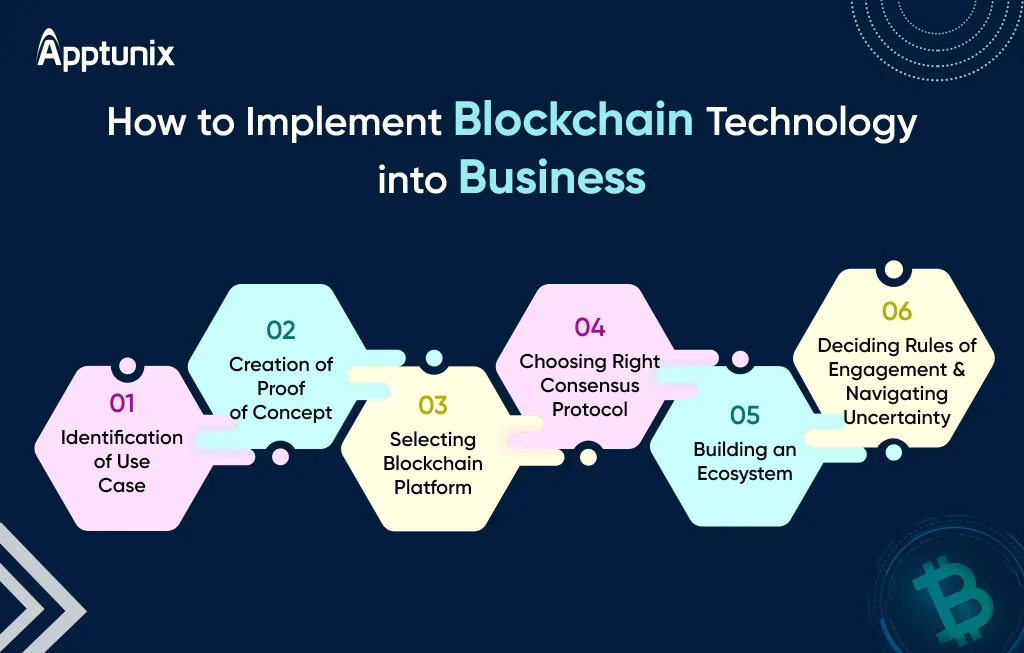
Adopting blockchain may seem complex, but it can be done step by step.
Step-by-Step Strategy
- Identify business problems blockchain can solve
- Choose the right blockchain platform
- Start with a pilot project
- Scale gradually based on results
This approach minimizes risk and ensures successful implementation.
Frequently Asked Questions About Blockchain Security Solutions
1. What is retail blockchain in simple terms?
2. How does blockchain improve retail supply chains?
3. Is blockchain expensive for small businesses?
4. Can blockchain replace traditional payment systems?
5. What is the future of blockchain in retail?
Conclusion
Retail blockchain is not just a trend—it’s a transformation. From improving transparency to enabling faster payments, it’s reshaping how businesses operate and how customers shop. With rapid market growth and increasing adoption, blockchain is set to become a core part of the retail industry. Businesses that embrace this technology early will have a significant competitive advantage in the years ahead.
May be you like it:
Safety Pin Pin Guide: Uses, Types, History & Safety Tips