
Introduction
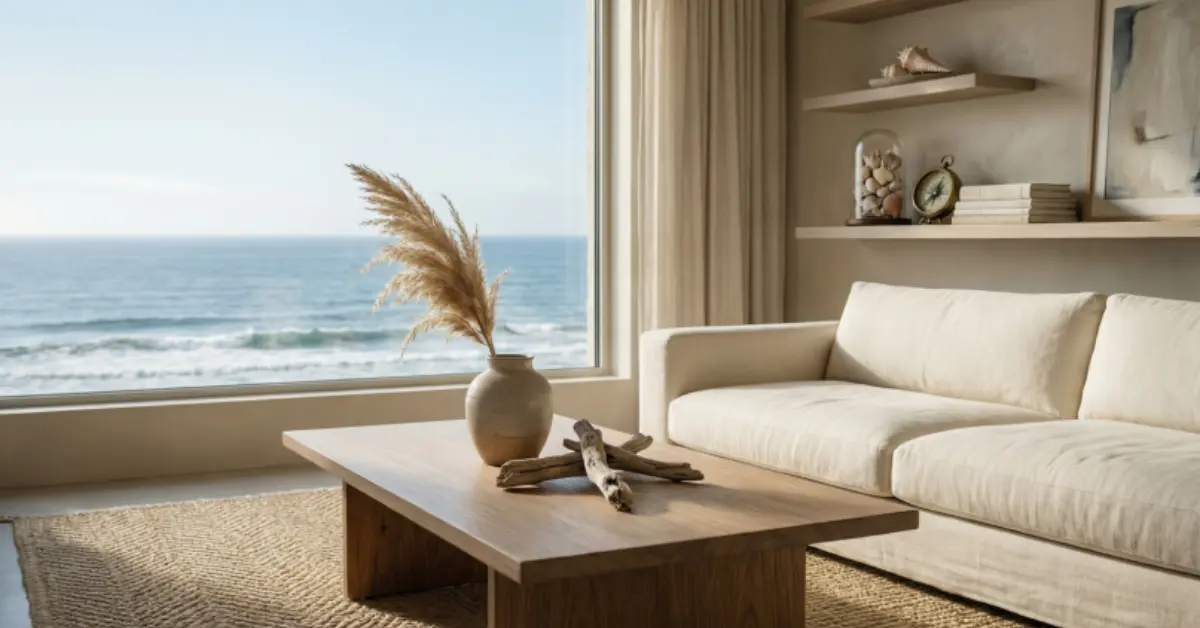
Coastal ivory is a soft, warm color inspired by the calm beauty of coastal landscapes, sandy beaches, and ocean light. It sits perfectly between white and beige, giving spaces a clean look without feeling cold or boring. Because of its natural and timeless feel, coastal ivory has become a popular choice in interior design, home décor, and modern styling.
People love coastal ivory because it creates a sense of peace, brightness, and elegance at the same time. Whether used on walls, furniture, or décor elements, this shade helps rooms feel open, relaxed, and welcoming. In this article, we’ll explore everything you need to know about coastal ivory-from its meaning and origins to how you can use it beautifully in real spaces.
What Is Coastal Ivory and What Coastal Ivory Really Means
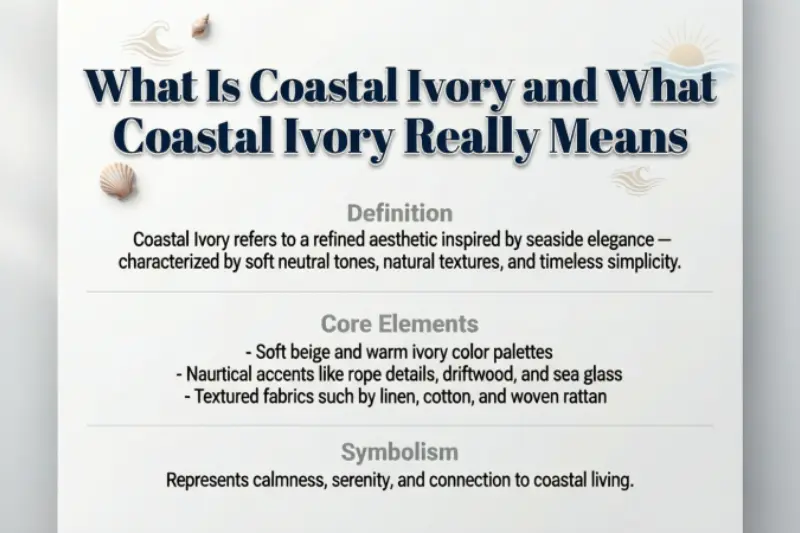
Coastal ivory is a soft, warm neutral color inspired by natural coastal elements like sand, seashells, sunlit beaches, and ocean air. It is lighter than beige but warmer than pure white, which makes coastal ivory feel clean, calm, and inviting at the same time. Unlike bright white shades that can look harsh, coastal ivory has gentle undertones that add warmth and depth to any space.
In design and décor, coastal ivory is often used to create a relaxed and timeless atmosphere. It reflects light beautifully, helping rooms feel more open and airy, while still maintaining a cozy and comfortable vibe. Because coastal ivory blends easily with natural materials like wood, stone, and linen, it works well in both modern and classic styles.
Overall, coastal ivory is more than just a color-it’s a design choice that brings balance, elegance, and a natural coastal feel into everyday spaces.
May be you like it:
Warmer Hand Warmers for Winter Comfort & Outdoor Use
Legionnaires Disease in Greece: Causes, Risks & Safety Tips
Extra Bank Holidays 2025 – Full List, Dates & Updates
Why Coastal Ivory Is Important and Why Coastal Ivory Matters in Modern Design
Coastal ivory is important because it offers the perfect balance between brightness and warmth. It helps create spaces that feel natural, comfortable, and visually appealing without overpowering the overall design. Below are the key reasons why coastal ivory matters and why it is widely used today:
- Creates a calm and relaxing atmosphere
Coastal ivory is inspired by nature, which helps reduce visual stress and makes spaces feel peaceful and welcoming. - Enhances natural and artificial light
The soft tone of coastal ivory reflects light gently, making rooms appear brighter and more open without feeling too stark. - Works with multiple design styles
Coastal ivory blends easily with modern, coastal, minimalist, and classic interiors, making it a versatile design choice. - Adds warmth without heaviness
Unlike pure white, coastal ivory adds warmth to a space while still keeping it light and airy. - Provides a timeless and long-lasting look
Trends change, but coastal ivory remains stylish because of its neutral and natural appeal. - Pairs well with natural materials
Coastal ivory complements wood, stone, rattan, linen, and soft blue or beige accents beautifully. - Improves overall visual balance
Using coastal ivory helps create harmony between colors, textures, and furnishings in a space.
Because of these benefits, coastal ivory is not just a design trend-it’s a practical and elegant choice that enhances comfort, style, and long-term value in any interior.
Step-by-Step Guide on Coastal Ivory and How to Use Coastal Ivory Correctly
This step-by-step guide will help you understand coastal ivory and use coastal ivory the right way in design and décor, even if you are a beginner.
Step 1: Understand What Coastal Ivory Is and Why Coastal Ivory Works
Before using coastal ivory, it’s important to know that it is a warm neutral shade inspired by beaches, sand, and natural light. Coastal ivory works best when you want a clean look that still feels soft and welcoming.
Step 2: Choose the Right Shade of Coastal Ivory for Your Space
Not all ivory shades are the same. Some coastal ivory tones are warmer, while others lean cooler. Test samples on your walls and observe coastal ivory in both daylight and evening light before making a final choice.
Step 3: Decide Where to Use Coastal Ivory in Your Design
You can apply coastal ivory to:
- Walls for an airy and open feel
- Furniture for a soft, elegant touch
- Ceilings to enhance brightness
- Decorative items for subtle accents
Choosing the right placement helps coastal ivory look balanced, not overwhelming.
Step 4: Pair Coastal Ivory with Complementary Colors
Coastal ivory looks best when paired with:
- Soft blues and ocean tones
- Natural wood finishes
- Light greys and sandy beiges
- Muted greens inspired by nature
These combinations enhance the coastal feel of coastal ivory.
Step 5: Use Natural Materials with Coastal Ivory
To maximize the beauty of coastal ivory, combine it with natural textures like linen, cotton, stone, rattan, and wood. These materials reinforce the calm, organic vibe of coastal ivory.
Step 6: Balance Coastal Ivory with Contrast
Too much coastal ivory can feel flat. Add contrast through:
- Darker furniture
- Textured fabrics
- Metal or matte black accents
This step helps coastal ivory stand out without losing softness.
Step 7: Adjust Lighting to Enhance Coastal Ivory
Lighting plays a big role in how coastal ivory looks. Warm lighting highlights its cozy undertones, while natural daylight keeps coastal ivory bright and fresh.
Step 8: Keep the Look Simple and Uncluttered
Coastal ivory works best in clean, uncluttered spaces. Avoid over-decorating and let coastal ivory create a calm visual flow throughout the room.
Step 9: Test Before Final Application of Coastal Ivory
Always test coastal ivory on small areas before applying it fully. This prevents mismatched tones and ensures the color suits your space.
Step 10: Maintain Coastal Ivory for Long-Lasting Beauty
Choose easy-to-clean finishes and maintain surfaces properly so coastal ivory stays fresh, bright, and elegant over time.
The Origins of Coastal Ivory and the Inspiration Behind Coastal Ivory
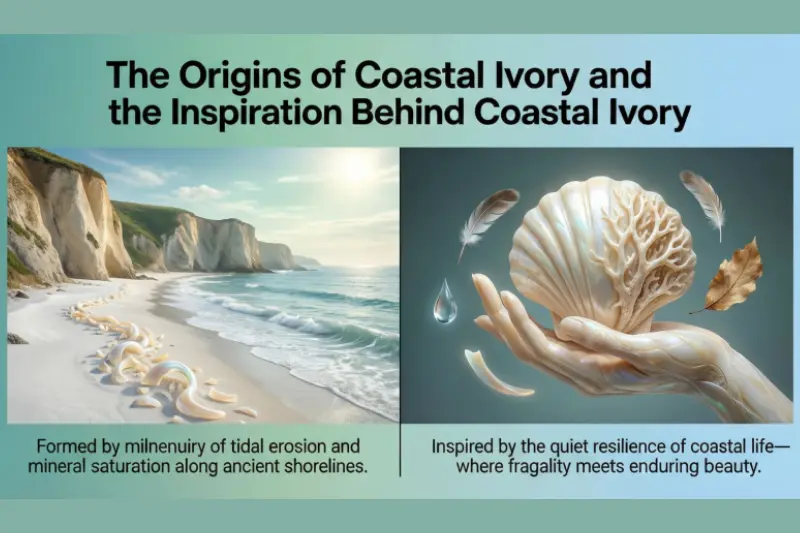
The origins of coastal ivory are deeply connected to nature and the peaceful beauty of coastal environments. This color is not created randomly-it is inspired by real elements found along coastlines and shaped by years of design evolution.
Coastal Landscapes, Sand, Seashells, and Ocean Light in Coastal Ivory
Coastal ivory takes its inspiration from soft beach sand, weathered seashells, sunlit shores, and the gentle glow of ocean light. These natural scenes reflect light in a calm and balanced way, which is exactly what coastal ivory does in design. The subtle warmth of sand and the smooth texture of shells influence the softness of the coastal ivory tone.
Natural Elements Shaping the Coastal Ivory Tone
Natural materials play a major role in shaping coastal ivory. Elements such as limestone, driftwood, cotton, and natural stone contribute to its warm undertones. These influences help coastal ivory feel organic rather than artificial, making it easy to blend with wood, stone, and other earthy textures.
Cultural and Design Roots of Coastal Ivory
The design roots of coastal ivory can be traced back to coastal living styles, Mediterranean homes, and relaxed seaside architecture. Designers used coastal ivory to create bright interiors that stayed cool in warm climates while still feeling inviting. Over time, this shade became a symbol of timeless elegance, simplicity, and comfort in modern interior design.
The Origins of Coastal Ivory and the Inspiration Behind Coastal Ivory
The story of coastal ivory begins with nature. This soft, warm shade is inspired by the calm and balanced beauty found in coastal environments, where light, texture, and natural colors blend effortlessly.
Coastal Landscapes, Sand, Seashells, and Ocean Light in Coastal Ivory
Coastal ivory reflects the gentle tones of coastal landscapes-sunlit beaches, smooth sand, and naturally weathered seashells. Ocean light plays a key role in shaping coastal ivory, as it creates a soft glow rather than harsh brightness. This influence gives coastal ivory its airy and soothing appearance.
Natural Elements Shaping the Coastal Ivory Tone
The tone of coastal ivory is shaped by organic materials such as limestone, driftwood, cotton, and natural stone. These elements add warmth and depth, preventing coastal ivory from feeling cold or flat. This natural influence allows coastal ivory to blend seamlessly with earthy textures and sustainable materials.
Cultural and Design Roots of Coastal Ivory
The cultural roots of coastal ivory come from coastal and Mediterranean design traditions, where light-colored interiors were used to reflect heat and maximize natural light. Designers adopted coastal ivory to create spaces that felt open, relaxed, and timeless. Today, coastal ivory continues to represent simplicity, elegance, and a strong connection to nature in modern design.
The Meaning of Coastal Ivory and the Psychology of Coastal Ivory
Coastal ivory is more than just a color-it carries meaning and affects the way we feel in a space. Its soft, warm tones evoke emotions and create a sense of harmony, making it a favorite choice in design and décor.
Emotional Impact of Coastal Ivory
The gentle hue of coastal ivory naturally inspires feelings of peace and relaxation. Unlike stark white, which can feel cold, coastal ivory creates a comforting environment that encourages calmness and mental clarity. Spaces with coastal ivory often feel inviting and stress-free, making it perfect for bedrooms, living rooms, and other areas meant for rest and relaxation.
Calm, Warmth, and Balance Created by Coastal Ivory
Coastal ivory balances warmth and neutrality. Its soft undertones add warmth without overwhelming the room, while its lightness keeps spaces bright and open. This balance makes coastal ivory ideal for combining with other colors, textures, and natural elements, enhancing both visual comfort and harmony in any space.
Why Coastal Ivory Feels Timeless and Luxurious
The understated elegance of coastal ivory gives it a timeless quality. It doesn’t rely on bold trends or flashy shades, which makes it suitable for both classic and modern interiors. Its natural, serene feel also conveys subtle luxury-rooms painted or decorated in coastal ivory appear sophisticated, airy, and effortlessly stylish.
Coastal Ivory in Interior Design and How Coastal Ivory Enhances Spaces
Coastal ivory is a versatile color that brings warmth, light, and balance to any interior space. Designers love it because it works in multiple settings and enhances both the look and feel of a room. Here’s how coastal ivory transforms interiors:
Living Rooms, Bedrooms, and Kitchens with Coastal Ivory
Using coastal ivory in key areas like living rooms, bedrooms, and kitchens creates a calm and inviting atmosphere:
- Living rooms: Coastal ivory walls and furniture make the space feel open, airy, and welcoming for guests.
- Bedrooms: Coastal ivory creates a peaceful and cozy environment, perfect for relaxation and sleep.
- Kitchens: Light cabinets or countertops in coastal ivory brighten the space while keeping it soft and elegant.
How Coastal Ivory Improves Natural Lighting
One of the major advantages of coastal ivory is its ability to reflect natural light:
- Makes rooms appear brighter without harsh glare.
- Enhances the feeling of space in smaller rooms.
- Works well with sunlight at different times of the day, keeping interiors warm and balanced.
Modern vs Classic Uses of Coastal Ivory
Coastal ivory is flexible enough to suit both modern and classic interiors:
- Modern spaces: Coastal ivory pairs beautifully with minimalistic décor, sleek furniture, and neutral accents.
- Classic spaces: It complements traditional wood finishes, elegant fabrics, and layered textures, keeping the room timeless yet soft.
By incorporating coastal ivory, you can create interiors that feel naturally bright, stylish, and welcoming-whether your style leans modern or classic.
Coastal Ivory in Modern Homes and Coastal Ivory Design Trends
Coastal ivory has become a favorite in modern homes because of its versatility, timeless appeal, and natural elegance. From minimalist apartments to coastal-style retreats, this shade enhances interiors in ways that few other colors can.
Minimalist and Coastal-Style Interiors with Coastal Ivory
- Minimalist homes: Coastal ivory adds warmth to sleek, clutter-free spaces, preventing them from feeling cold or sterile.
- Coastal-style homes: Inspired by beaches and natural landscapes, coastal ivory pairs beautifully with soft blues, sandy tones, and natural wood, creating a serene seaside vibe.
- Overall, coastal ivory acts as a neutral foundation that allows furniture, décor, and textures to stand out.
Why Designers Prefer Coastal Ivory
Designers love coastal ivory because it:
- Works with almost any color palette, making styling easy.
- Reflects light naturally, improving room brightness.
- Creates a soft, luxurious, and timeless atmosphere without feeling overpowering.
- Provides a flexible backdrop for both modern and traditional décor.
Future Design Trends Using Coastal Ivory
- Sustainable interiors: Coastal ivory complements eco-friendly materials like reclaimed wood and natural fibers.
- Biophilic design: Paired with greenery and natural textures, coastal ivory enhances the connection to nature indoors.
- Mixed textures: Designers are combining coastal ivory walls with matte, glossy, and textured surfaces for depth and dimension.
- Accent experimentation: Coastal ivory is increasingly used alongside bold accents, like navy, emerald, or muted metallics, for modern sophistication.
With these trends, coastal ivory proves it is not just a passing fad-it is a modern, versatile, and enduring choice for homes that want elegance, calm, and style.
May be you like it:
Safety Pin Pin Guide: Uses, Types, History & Safety Tips
Trophy Trophy Guide Celebrate Achievement & Inspire Success
Red Card Card in Football: Rules, Impact & Famous Moments
Coastal Ivory for Walls, Furniture, and Coastal Ivory Decor Ideas
Coastal ivory is one of the most versatile shades in interior design. Whether on walls, furniture, or decorative accents, it brings warmth, light, and elegance to any space. Here’s how to use coastal ivory effectively:
Wall Paints and Textures in Coastal Ivory
- Smooth wall paints: A matte or eggshell finish in coastal ivory gives walls a soft, airy look that brightens rooms naturally.
- Textured walls: Use subtle textures like linen finishes, plaster, or shiplap in coastal ivory to add depth while keeping the calm, coastal vibe.
- Accent walls: Pair coastal ivory with soft blues, sandy beiges, or muted greens to create a peaceful, inviting feature wall.
Furniture Finishes Using Coastal Ivory
- Wood furniture: Coastal ivory painted cabinets, tables, or shelves give a fresh yet classic appearance.
- Upholstery: Sofas, armchairs, or cushions in coastal ivory create a soft, elegant look while remaining neutral enough to combine with other colors.
- Multi-functional pieces: Using coastal ivory on storage furniture ensures it blends seamlessly into any space without overwhelming the design.
Decorative Elements That Complement Coastal Ivory
- Natural materials: Rattan baskets, linen curtains, and driftwood accessories pair perfectly with coastal ivory.
- Metal accents: Subtle gold, brushed brass, or black metals add sophistication when combined with coastal ivory.
- Textiles and rugs: Soft throws, area rugs, and pillows in muted colors or patterns enhance the warmth and depth of coastal ivory spaces.
By using coastal ivory across walls, furniture, and décor, you can create rooms that feel open, harmonious, and effortlessly elegant. It’s a color that adapts beautifully to both casual and refined interiors.
Coastal Ivory vs White and Why Coastal Ivory Is the Better Choice
While white is a classic color in interior design, coastal ivory offers a warmer, more versatile alternative. Here’s why coastal ivory is often the preferred choice over plain white:
Differences in Tone and Warmth
- Coastal ivory: Soft, warm, and slightly creamy, which adds depth and coziness to a space.
- White: Bright and crisp but can feel cold or sterile in larger areas.
- Why it matters: Coastal ivory creates a welcoming, balanced environment, whereas pure white can feel harsh under certain lighting.
Maintenance and Long-Term Appearance
- Coastal ivory: Hides minor stains, dust, and imperfections better than stark white, making it more practical for walls and furniture.
- White: Shows dirt, scuffs, and wear more easily, requiring frequent cleaning and touch-ups.
- Benefit: Coastal ivory keeps interiors looking fresh and elegant longer, reducing maintenance hassle.
When Coastal Ivory Works Better Than White
- In cozy spaces: Bedrooms, living rooms, and study areas benefit from coastal ivory’s warm, relaxing tone.
- With natural materials: Coastal ivory blends seamlessly with wood, stone, and linen, enhancing a natural, earthy feel.
- For timeless style: Coastal ivory maintains a sophisticated, classic look that doesn’t rely on trends, unlike bright white, which can feel stark or modern-only.
In short, coastal ivory is a softer, warmer, and more versatile alternative to white, offering both practical benefits and timeless elegance for any interior.
How to Use Coastal Ivory Correctly and Common Coastal Ivory Mistakes
Using coastal ivory can transform a space, but like any color, it needs to be applied thoughtfully. Here’s how to use coastal ivory correctly and avoid common mistakes:
Overuse of Coastal Ivory
- Mistake: Painting all walls, furniture, and décor in coastal ivory without variation.
- Effect: The room can feel flat, bland, or lifeless.
- Solution: Mix in complementary colors like soft blues, sandy beiges, muted greens, or natural wood tones to create depth and interest.
Lighting Mistakes with Coastal Ivory
- Mistake: Using coastal ivory in poorly lit spaces or with harsh artificial lighting.
- Effect: Coastal ivory may appear dull or yellowish under certain lights.
- Solution: Test coastal ivory in both natural daylight and evening lighting. Warm lighting enhances its softness, while indirect light keeps it bright and airy.
Balancing Coastal Ivory with Contrast
- Mistake: Ignoring contrast when using coastal ivory extensively.
- Effect: A room can feel too uniform and lack visual appeal.
- Solution: Introduce contrast through furniture, accent walls, textiles, or décor elements in darker shades like navy, charcoal, or wood tones. Even small touches like metal fixtures or patterned cushions help balance the space.
By following these tips, you can make coastal ivory feel fresh, elegant, and perfectly balanced. It’s all about mixing, testing, and balancing-then your spaces will truly shine.
Why Coastal Ivory Is Timeless and Why Coastal Ivory Will Never Go Out of Style
Coastal ivory isn’t just a trend-it’s a color that has proven its staying power in design. Its warmth, versatility, and natural appeal make it a timeless choice for homes, offices, and commercial spaces alike.
Longevity of Coastal Ivory in Design
- Classic appeal: Coastal ivory works in both modern and traditional interiors, maintaining elegance across styles.
- Adaptable: It pairs effortlessly with changing décor trends, from minimalist palettes to bold accent colors.
- Long-lasting choice: Unlike some bright or trendy shades, coastal ivory doesn’t feel outdated, making it a smart investment for walls, furniture, and décor.
Sustainable and Natural Appeal
- Inspired by nature: Coastal ivory draws from natural coastal elements like sand, shells, and sunlight, giving spaces a soothing and organic feel.
- Eco-friendly design: Coastal ivory complements natural materials like wood, linen, and stone, supporting sustainable and timeless interior choices.
- Balanced neutrality: Its neutral warmth allows designers to use fewer resources on constant color updates, promoting long-term sustainability.
Frequently Asked Questions About Coastal Ivory
What is coastal ivory?
Why choose coastal ivory over white?
Where can I use coastal ivory in my home?
What colors go well with coastal ivory?
Is coastal ivory suitable for modern interiors?
How does coastal ivory affect lighting?
Can coastal ivory make small rooms look bigger?
How do I avoid overusing coastal ivory?
Is coastal ivory a timeless color?
Can coastal ivory be used in furniture and décor?
Conclusion:
Coastal ivory is more than just a color-it’s a design choice that brings warmth, calm, and natural elegance to any space. From walls and furniture to décor accents, this soft neutral enhances lighting, complements natural materials, and works beautifully in both modern and classic interiors.
By using coastal ivory thoughtfully, balancing it with textures and contrasting tones, you can create spaces that feel welcoming, stylish, and timeless. Its versatility and enduring appeal make coastal ivory a must-have color for anyone looking to design interiors that are both elegant and cozy.
Embrace coastal ivory, and transform your home into a serene, light-filled retreat that will never go out of style.
May be you like it:
Warmer Hand Warmers for Winter Comfort & Outdoor Use